In the final phases of Prehistory, Caorle, Concordia, and the Pordenone plain were already directly connected by an important waterway—a route that remained in use during the Bronze Age, when the first known settlements in the Caorle area are documented.
Between the 2nd and 1st millennium BCE, the sea level was between 2 and 3 meters lower than it is today. At the prehistoric site of San Gaetano – Casa Zucca, researchers have documented both environmental and human features of the area. Of particular note are land reclamation works in wetland areas, wooden structures related to dwellings, and artisanal zones.
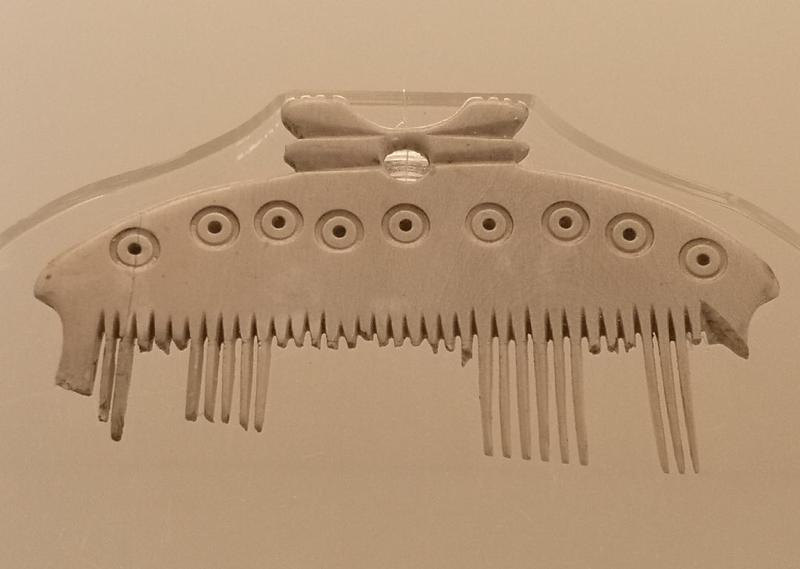
Some archaeological finds suggest that the site served as a coastal landing place. Among these is a stag antler comb, used for carding wool and worn around the neck by women as a symbol of prestige. A large-scale production of similar combs has been documented at Fratta Polesine.