The city of Caorle truly comes into its own in the period following the fall of the Western Roman Empire, as the study of historical sources and archaeological data guides us into the Middle Ages. Archaeological investigations carried out in various parts of the urban area have revealed fascinating insights into the structure and activities of the medieval settlement, which from the 11th century CE appears in Adriatic records under the name Caprulae.
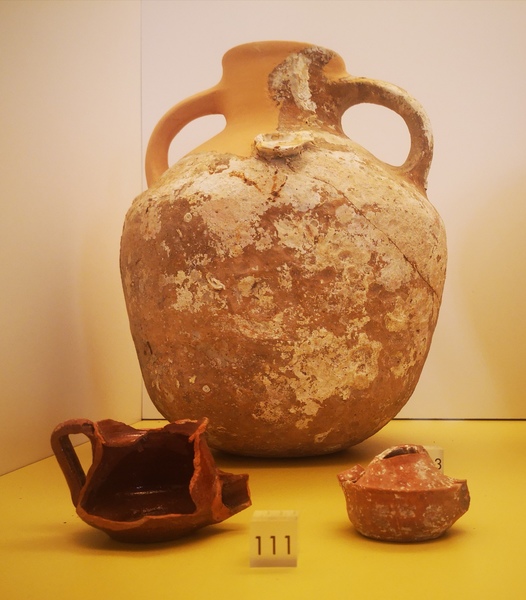
Archaeologists uncovered numerous oil lamps of Tunisian origin, indicating the importance of maritime trade for Caorle as early as the 5th–6th century CE.
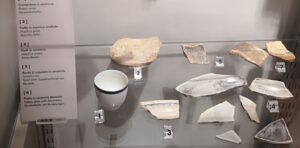
After a seeming interruption in trade between the 7th and 10th centuries CE, the 11th century marks a revival of commercial exchange, particularly with the East: small sack-shaped amphorae carrying renowned goods from the Aegean, fragments of plates and bowls made in the Corinth area, artifacts from the Islamic world, and Islamic-influenced ceramics from the Apulia region.